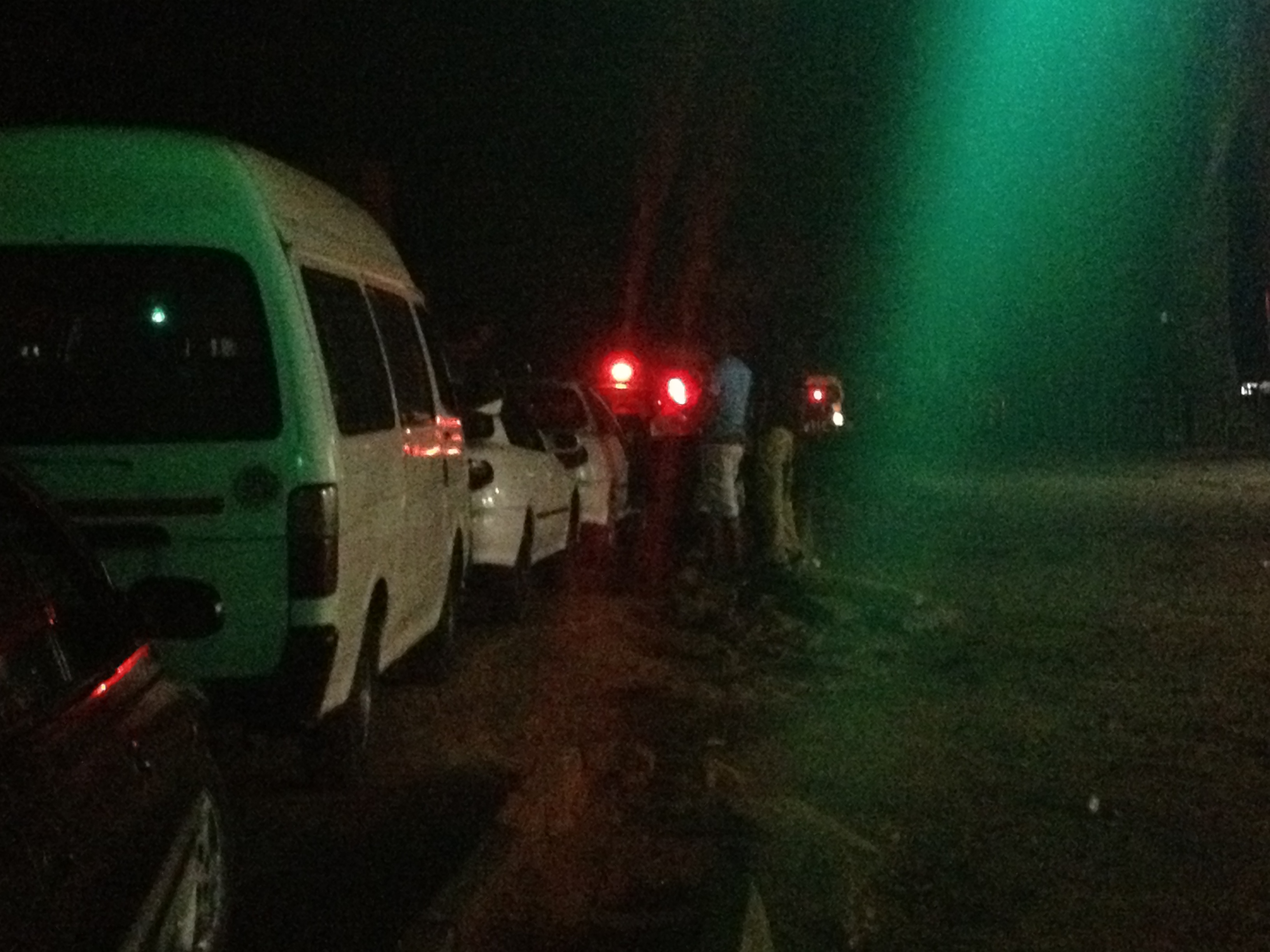
Today UKaid was distributing sacks of maize to needy people at the Mpyupyu trading center on the northern edge of TA Mwambo. As I understand it, this is a 6-month program to alleviate hunger and maize shortages. Relative to inaction, this is a really great idea – by all reports the harvest was awful here last year and maize prices are at near-record highs for this time of year. The rains were poor last year and there’s no reason they’ll necessarily be much better this time. Even if they are, the next harvest is a long ways away.
My question is whether this is really the best option. Most of the research I’ve seen on food crises and famines points to giving cash as the superior option, for two reasons. First, with cash people can buy what they really need instead of taking whatever you hand them. Staple foods seem like an obvious choice, but who are we to decide that for people? Even if we had awesome, timely data on people’s needs, it’s hard to beat people’s own choices.
The other, more compelling reason is that nothing I’ve seen indicates there is any shortage of maize, either in Malawi as a whole or in this area. I can buy more nsima than I know what to do with at prices that aren’t much different from last year. Rather, what’s going on right now is limited purchasing power on the part of many farmers in Mwambo. The story I’ve heard is that they commonly sell a lot of their crop right after the harvest in order to meet pressing needs, and then need to buy maize later in order to eat. At that later date, the supply is lower and prices go up, making it even harder to afford food out of their limited remaining cash holdings. This pattern would be strongly exacerbated by a drought, when owners of small plots might start out with too little to make it through the year. On the flip side, that maize was being sold to someone, and in many cases constitutes a big chunk of people’s liquid wealth.
Imagine you’re one of the larger farmers in this region, and you have your own silo. You hold on to your maize, and maybe even buy more as an investment since prices tend to rise over the interim period between harvests. Even though the rains were bad, you’re doing okay, and might turn a profit this year once you pay back the loans you took out to buy extra fertilizer from ADMARC. Suddenly, however, UKaid shows up and starts just giving maize away. Now the market value of your maize is close to zero. You can still eat it – you’re not starving, not right away. But you can’t pay off your debts or invest in the next harvest. The next year, you’re going to be one of the people lining up for free food. This innocuous act of charity just made you poorer and caused a bunch of problems down the road. Not problems as big as the one they were trying to fight – the prospect of mass starvation – but problems nonetheless.*
Cash handouts do have their downsides. I mentioned that possibility to one of my enumerators and he said that you can’t do that because “there are too many drunkards.” People squandering the money on stuff like booze is a real danger. There’s a growing literature on the importance of who gets the money for household outcomes. The whole idea of targeting women for microloans hasn’t generated the amazing benefits we thought it would, but giving them the cash transfers may be a way to limit how much of the money gets blown on alcohol and transactional sex. We have the research and the knowledge; I think we can do better than handing out staple foods for free.